
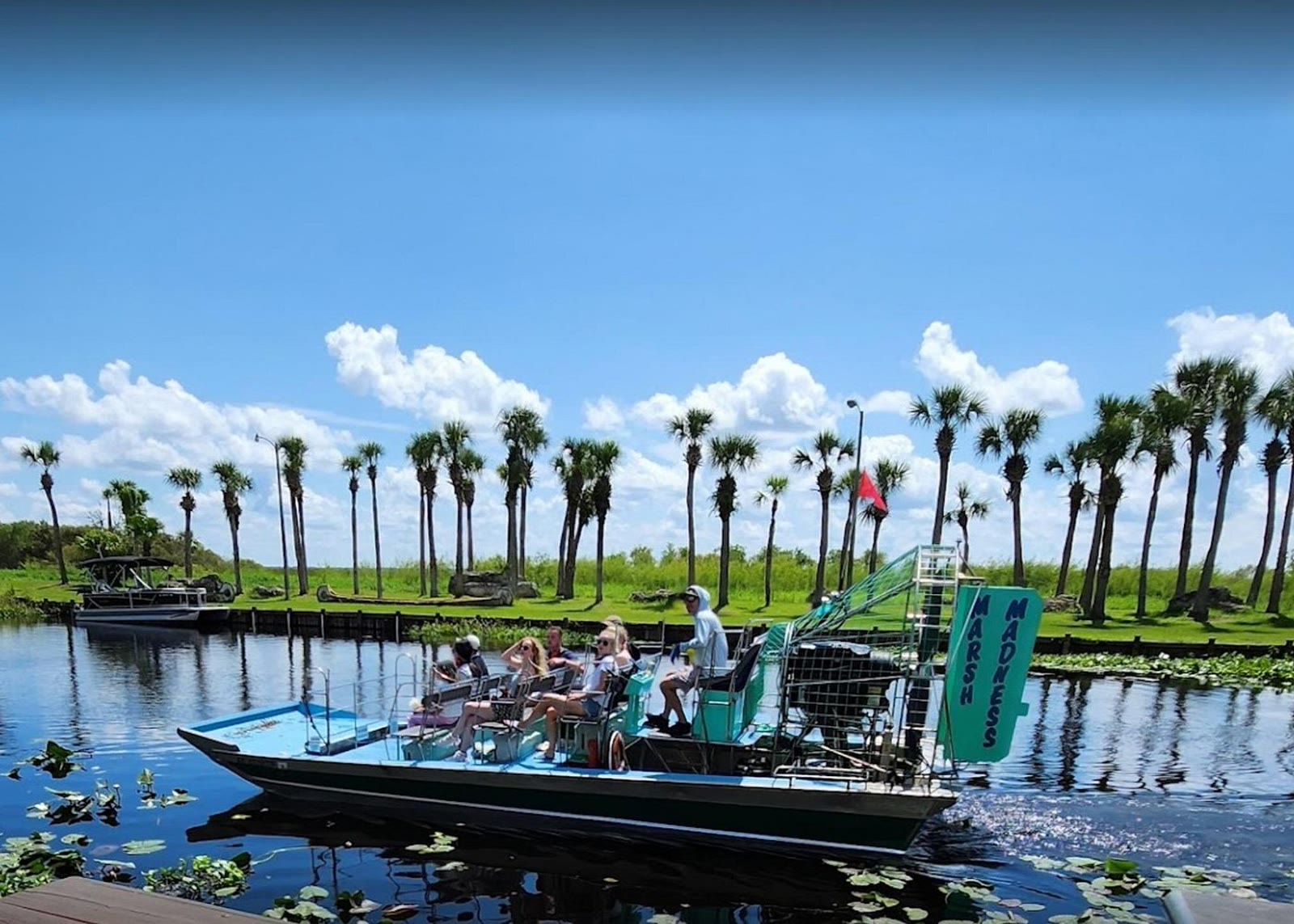
There's a moment, right after the captain guns the throttle and the flat-bottomed boat leaps onto a sheet of glassy water, when the noise of ordinary life just disappears. Sawgrass blurs past in a green streak, herons scatter from the reeds, and somewhere out there an alligator is watching you glide by like it's no big deal. That's the Everglades airboat experience in a nutshell — equal parts thrill ride and wildlife safari, and honestly one of the most distinctly Floridian adventures you can have.
If you're based in or visiting Miami, the Everglades sits practically in your backyard, yet so many travelers skip it in favor of the beach. That's a shame, because this million-acre wetland is unlike anywhere else on the planet — a slow-moving "river of grass" teeming with alligators, wading birds, turtles, and the occasional elusive Florida panther. An airboat is the best (and often only) way to actually get into it.
Why an Airboat, Specifically?
The Everglades isn't a lake or a swamp in the traditional sense — it's a shallow, slow-flowing sheet of water rarely more than a foot or two deep, choked with sawgrass and lily pads. Traditional propeller boats would get tangled or stuck within minutes. Airboats solve that problem with a giant aircraft-style fan mounted on the back, which pushes the boat across the water's surface rather than through it. No submerged propeller, no rudder dragging below — just a flat hull skimming over grass, mud, and shallow channels alike.
That design is exactly what makes the ride so exhilarating. Airboats can spin on a dime, blast through narrow sawgrass tunnels, and reach speeds that make your stomach drop, all while drafting in water that wouldn't float a canoe with cargo. It's adventure built into the very mechanics of the vehicle.
What the Ride Actually Feels Like
Expect noise, wind, and a genuine adrenaline kick. Most outfitters hand out ear protection before boarding, and you'll understand why the second the engine roars to life. The captain will ease out of the dock area at a manageable pace, then open it up once you're in open water — that's when the boat starts carving fast turns through the grass, throwing up a spray on either side.
Between bursts of speed, the captain typically slows to idle, letting the boat drift quietly near a gator basking on a mud bank or a flock of white ibis picking through the shallows. These pauses are where the real magic happens. You go from full-throttle adventure to hushed, binoculars-out wildlife watching in the space of a few seconds, and that contrast is part of what makes the tour so memorable.
The Wildlife You'll Actually See
The Everglades ecosystem is one of the most biodiverse in North America, and a good captain knows exactly where the animals like to hang out.
- American alligators — the headliners, often spotted sunning on banks or floating with just their eyes above the waterline.
- Wading birds like great blue herons, snowy egrets, and roseate spoonbills, especially plentiful in the drier winter months when water levels concentrate fish into smaller pools.
- Turtles and softshell turtles sunning on logs, often several stacked together.
- River otters, less common but a real treat when they show up.
- Anhingas, the "snake bird," drying their wings on low branches after diving for fish.
Sightings vary by season and time of day. Early morning tours tend to catch more active wildlife before the midday heat sends animals into the shade, while dry season (roughly November through April) concentrates gators and birds around remaining water pools, making sightings almost guaranteed.
What to Expect Before You Even Board
Most Everglades airboat tours run from small marinas or dedicated airboat parks along the fringes of the wetland, many within a fairly short drive from Miami, Fort Lauderdale, or Naples. Tours typically run 30 minutes to an hour, though some outfitters offer extended two-hour adventures paired with a guided walk on an elevated boardwalk or a stop at a small wildlife exhibit featuring native species up close.
You'll usually check in, get a quick safety briefing, and be fitted with hearing protection before boarding in small groups. Airboats range from six-person models to larger 15-20 passenger boats with tiered seating, so everyone gets a clear view over the sawgrass rather than staring at the back of someone's head.
What to Bring
- Sunscreen — there's zero shade out on the water, and Florida sun doesn't mess around.
- A hat with a strap — a loose cap will not survive the wind at speed.
- Sunglasses — helpful for both glare and bugs.
- Bug spray, particularly in summer months when mosquitoes are more active.
- A light jacket for morning tours, since the wind chill on the water can catch people off guard.
- A phone or camera in a secure pocket or strap — you'll want photos, but nobody wants to explain a phone lost overboard.
Best Time of Year (and Day) to Go
Dry season, roughly November to April, is widely considered the best window for an Everglades adventure. Water levels drop, wildlife clusters more visibly around remaining pools, and the weather is comfortably warm rather than brutally humid. Wet season, June through October, brings dramatic afternoon thunderstorms and thicker mosquito populations, though mornings can still be excellent and the landscape turns lush and green.
Early morning departures tend to offer the calmest water, cooler temperatures, and the most active wildlife. Sunset tours, where available, trade some wildlife visibility for absolutely stunning light over the sawgrass — golden hour on the Everglades is something photographers chase for good reason.
Pairing the Airboat with the Rest of the Everglades
An airboat ride is thrilling, but it's just one layer of what the Everglades has to offer. Many visitors combine their tour with a walk along the Anhinga Trail near Royal Palm, where alligators and birds gather close to the boardwalk with zero boat required. Others tack on a guided walking tour through cypress domes or a stop at a visitor center to learn about the restoration efforts protecting this fragile ecosystem.
If you're building out a full South Florida itinerary, the Everglades pairs surprisingly well with other classic Florida excursions. Spend the morning on an airboat chasing alligators through sawgrass, then head down to the Keys for an afternoon snorkeling trip over the reef, or wrap the day with a sunset cruise out of Miami or Fort Lauderdale watching the skyline turn orange. Naples, on the Gulf side, offers its own quieter entry points into the western Everglades if you want a slightly less crowded experience.
Is It Worth the Adventure?
Short answer: yes, and it's worth doing at least once even if you consider yourself more of a beach person than a wilderness person. There's something genuinely humbling about cutting through a landscape that's remained largely unchanged for thousands of years, watching an alligator that could easily out-survive most of human history just floating there, unbothered.
The adventure isn't just in the speed of the boat, though that part is undeniably fun. It's in realizing how strange and wild South Florida still is beneath all the highways and condos — a reminder that just west of the city, an entirely different world keeps humming along on its own ancient schedule.
Final Thoughts
Book your Everglades airboat tour with a reputable, eco-conscious operator, arrive early enough to soak in the surroundings before departure, and go in with a sense of curiosity rather than just a checklist. Between the roar of the engine, the sudden hush when a gator surfaces nearby, and the endless horizon of sawgrass stretching in every direction, this is one Florida adventure that tends to stick with people long after the tan fades.
Frequently Asked Questions
How long does an Everglades airboat tour last?
Most tours run 30 to 60 minutes on the water, though some outfitters offer combo packages of 90 minutes to 2 hours that include a wildlife show or nature walk. Total time at the attraction, including check-in and boarding, is usually about 1.5 hours.
What is the best time of year to take an airboat tour?
Dry season from November through April offers cooler temperatures, fewer bugs, and better wildlife viewing since animals cluster around shrinking water sources. Summer (June-September) is hot and humid with frequent afternoon thunderstorms, though alligator activity can still be good early in the morning.
How much does an Everglades airboat tour cost?
Standard 30-60 minute group tours typically range from $35 to $75 per adult, with children's tickets around $20 to $40. Private airboat charters or extended eco-tours can run $150 to $400+ per group depending on boat size and duration.
Will I definitely see alligators on the tour?
Sightings are common but not guaranteed since alligators are wild animals; most tours report seeing at least a few gators, especially during dry season when water levels are low. Early morning and late afternoon tours generally offer the best chances for wildlife activity.
What should I wear or bring on an airboat ride?
Wear closed-toe shoes, sunglasses, and a hat, and expect to get splashed, so avoid anything you don't want to get wet or muddy. Bring sunscreen, bug spray, and a light jacket for morning or evening rides, and secure loose items since airboats are open and can be loud (ear protection is often provided).